
WXP Corporate Interview|How Storellet and HKMovie6 Were “Reverse-Inspired” in SEED’s WXP
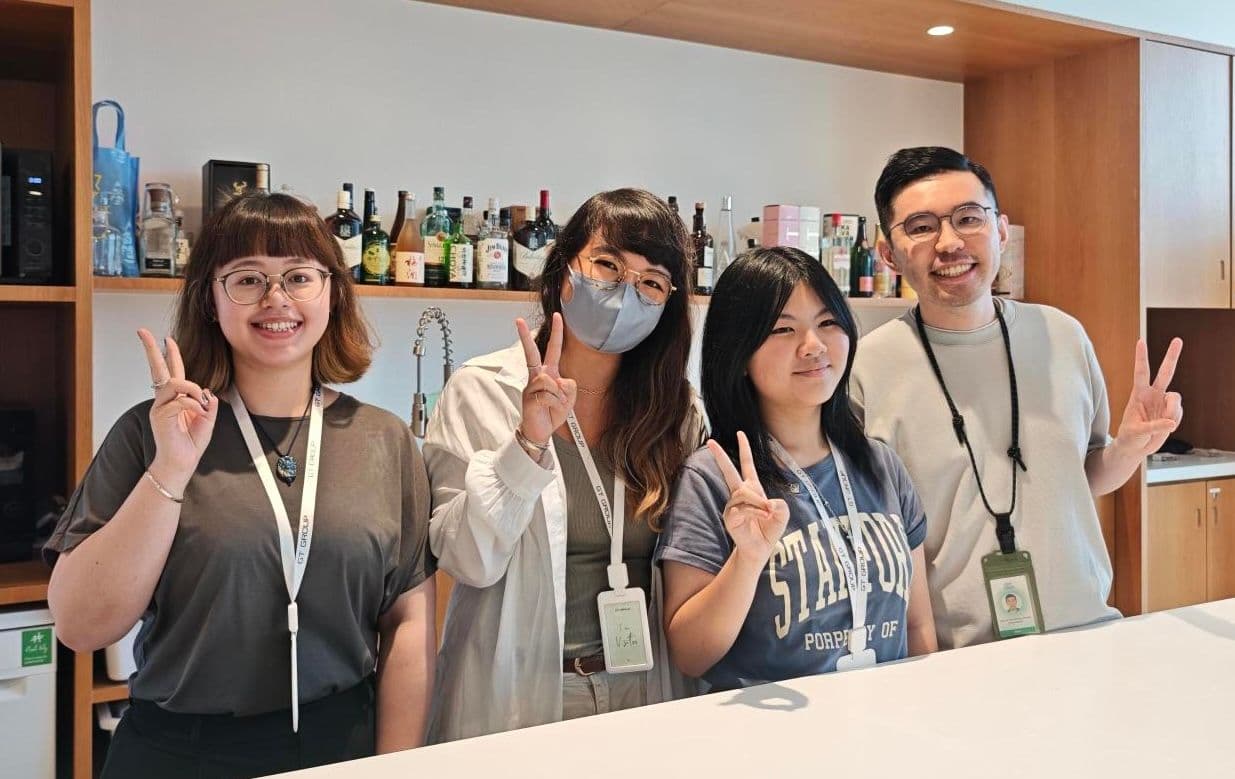
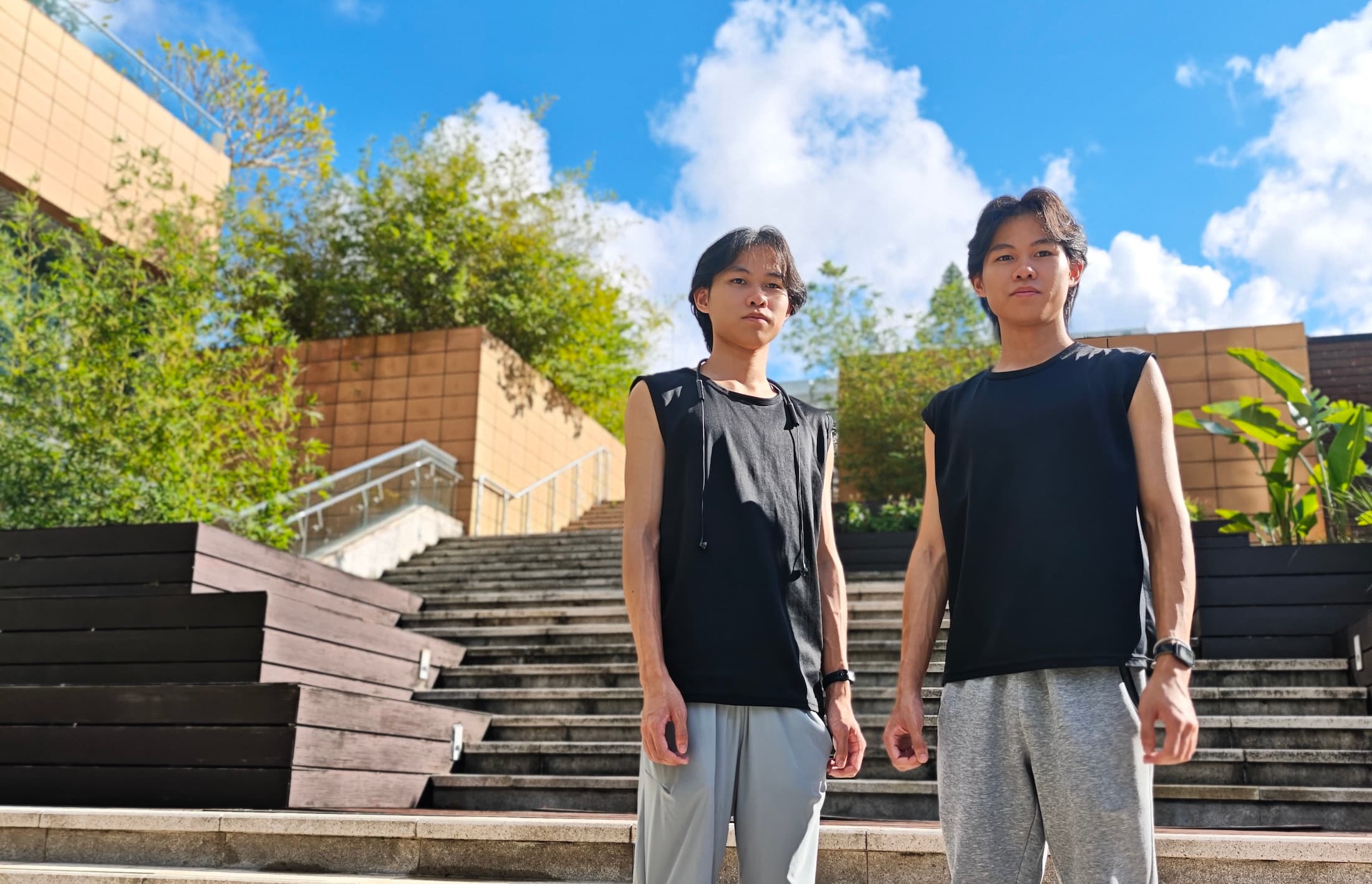
In today’s fast-changing tech era, giving young people early exposure to real workplaces has become an essential part of nurturing future talent. This summer, we were delighted to collaborate for the first time with Storellet and HKMovie6 to launch the Workplace Experience Program 2025 (WXP). Two students specializing in cloud computing and UX/UI design stepped out of the classroom to join real projects, experience company culture, and learn valuable knowledge from professional teams.
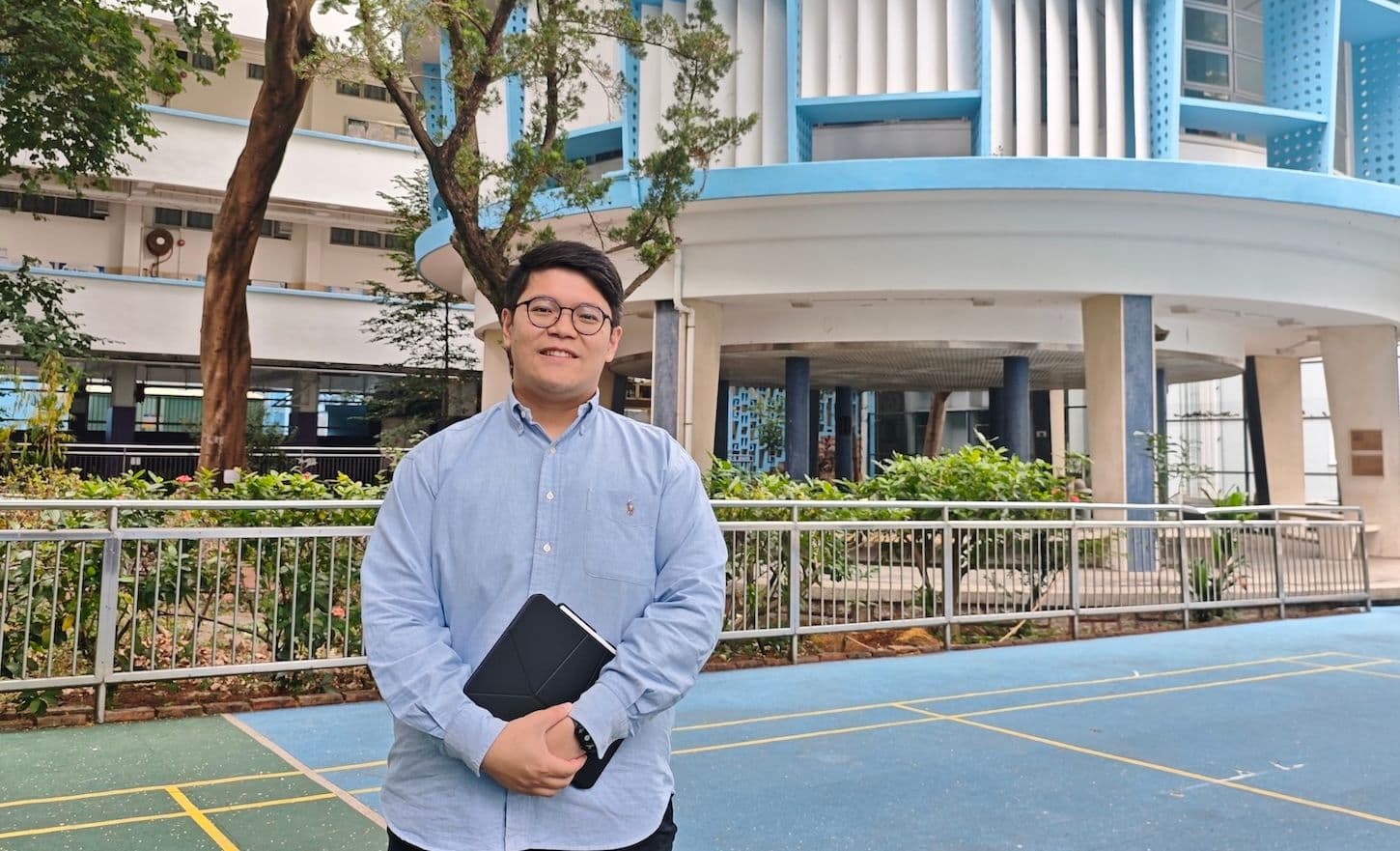
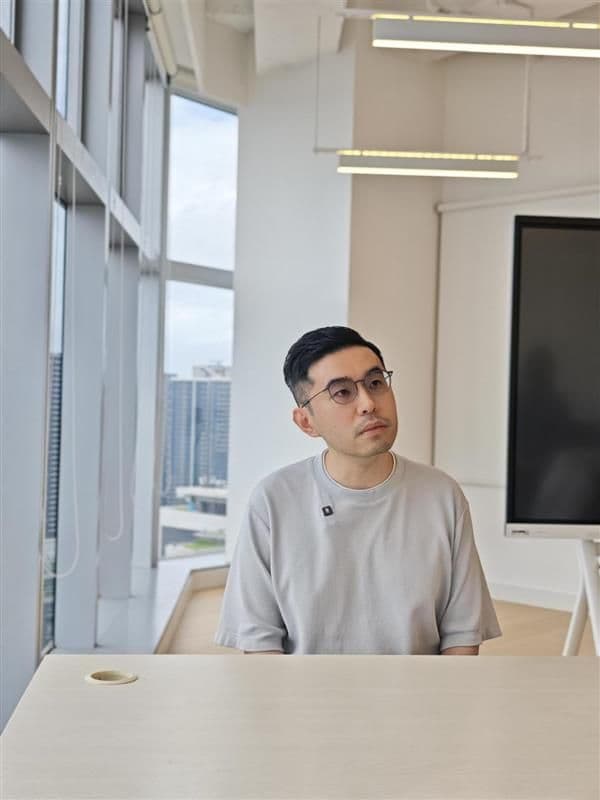
We invited Hanson Cheung, General Manager of membership platform Storellet and movie information platform HKMovie6, to share his reflections on this collaboration and his insights into youth talent development.
Discovering New-Generation Insights from Brand Blind Spots
As the head of both companies, Hanson joined SEED’s WXP program with a simple motivation: “When I learned this was a program for secondary school students, I thought it was excellent and quickly got involved.” For him, it was an opportunity to support young people’s potential while building connections between companies and the next generation.
When welcoming SEED students, Hanson began by asking: “Have you heard of this company? Have you used this app?” The responses were far below expectations—most students had little brand awareness. Only after further probing did one student reply, “My family has used one of them.”
This contrast became an important observation: although students were unfamiliar with the products, they quickly grasped the company’s core services, target users, and business logic. “Their ability to understand was very fast,” Hanson noted, which made him reflect: “Why can they get into action mode so quickly?”
This interaction broke his traditional impression of “student participation” and prompted him to rethink the potential and role of young people in corporate innovation processes.
The Preparation Behind Students’ “Level-Up”
Through deeper exchanges, Hanson realized the students’ performance far exceeded expectations. This maturity was no coincidence—it stemmed from SEED Foundation’s systematic pre-program preparation, including dress code guidance, basic business etiquette, and communication skills training.
“These preparations made the students seem to ‘level up’ in a short time,” Hanson said. The transformation was evident not only in their behavior but also in their understanding and responsiveness to business: “Whether in the depth of their questions or their maturity in handling matters, they felt more like fresh university graduates. Just for this alone, I think SEED’s arrangements were excellent and thoughtful.”
Such careful preparation allowed students to adapt quickly to the corporate environment and participate like workplace newcomers, reinforcing the program’s professionalism and effectiveness.
Curiosity as the Inner Drive for Participation
While observing the students’ performance, Hanson noticed that beyond skills and etiquette training, a more influential factor was their strong inner drive and curiosity. They showed interest in daily work details, office culture, and even commuting experiences. This proactive attitude pushed them to explore the essence of work more deeply.
More importantly, they weren’t just curious about “what going to work is like,” but about “what value they could bring.”
As Hanson described: “When they saw their work results presented somewhere, their faces naturally showed satisfaction. I believe that joy—‘my contribution has value’—is something many of us who are used to working may have forgotten.”
This curiosity-driven engagement transformed students from observers into contributors, enabling them to integrate effectively into team operations and demonstrate unexpected maturity and commitment.
Mutual Learning: When Companies Are “Reverse-Inspired” by Gen Alpha
Throughout the workplace experience, Hanson posed a thought-provoking question: “We provide a good experience space for the students, but what did these secondary school students give us in return?”
His answer: a fresh perspective often overlooked in daily corporate routines.
Through interactions with Gen Alpha students, Hanson realized they represent potential users that companies rarely reach directly. He was surprised to discover: “So this is how they consume,” “This is how they socialize daily.”
These observations were not just information but valuable user insights, prompting the team to consider: “How can we adjust our product functions or marketing to better meet the needs of these future consumers?”
SEED WXP: Opening the Door to Future Markets for All Companies
Hanson emphasized that for companies wanting to connect with future markets, SEED’s WXP program offers a highly valuable entry point. For consumer-oriented (B2C) businesses, the returns could be significant.
“The reason is simple: these students are our future core consumers,” Hanson stressed. By involving them in projects, letting them experience and even test products, companies gain authentic feedback and behavioral insights—far more valuable than traditional market research.
Conclusion
The core of SEED’s WXP program is to let students step into real workplaces, build career vision through hands-on participation, while companies gain first-hand insights from Gen Alpha. In collaboration with Storellet and HKMovie6, students demonstrated strong engagement and understanding, while companies received rare market feedback. As Hanson put it: “These students are our future core consumers.”
SEED WXP is not just a student experience—it is also an opportunity for companies to reimagine their future users.
If your company values user experience or wants to invest in future talent, we welcome you to become our partner.