

Dataverse 2026 | From “Just Having Fun” to Online Scams: How Hong Kong Teens Fall Into Sextortion Traps
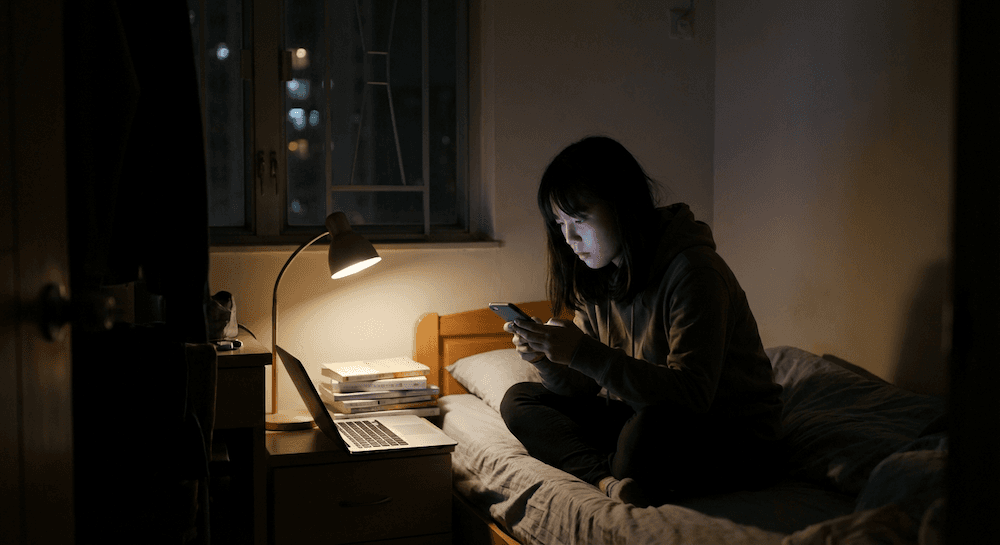
"Mum, I’m just chatting with classmates."
To many parents in Hong Kong, when teens are in their rooms “on their phones”, it’s probably just gaming or watching videos. But recent studies and police data tell a different story: sextortion and online sexual harassment are now common and growing risks for local youth.
While many adults may think “that would never happen to my child,” the reality is that students — in secondary and even primary schools — are being exposed to explicit content, pressured to share intimate images, and in some cases, threatened with exposure in exchange for more sexual content or money.
This article unpacks the typical pathways through which teens in Hong Kong fall into sextortion traps, explains the manipulation tactics used, and outlines how parents and educators can detect, prevent, and respond early.
How Serious Is Sextortion and Online Harassment Among HK Youth?
Here are some recent findings from institutions like HKU, Save the Children, The Family Planning Association, and the Hong Kong Police:
- A survey by "Hong Kong Children Online" interviewed over 1,300 children aged 8–17. Nearly 4 in 10 secondary students experienced at least one case of online sexual harassment in the past year, such as unsolicited nudes or sexual advances.1
- 1 in 20 youths reported being asked to send sexual photos, while 1 in 10 said they were pressured to share nude content.2
- A 2021 study by FPAHK found that around 3% of girls and 7% of boys had engaged in nude video chats — a sharp increase from 1% and 2% in 2016.3
- According to Police reports for 2024, there were 3,031 extortion cases, with 2,434 linked to sextortion — marking a 15% year-on-year increase. Students remained one of the most affected groups.4
- In April 2025 alone, police recorded 156 sextortion cases, involving 11 student victims, the youngest just 14 years old.5
These statistics show that sextortion is not just a foreign news story — it’s happening in local classrooms and everyday platforms used by teens.
How Does Sextortion Actually Happen?
To prevent these incidents, we must first understand how they occur. Many cases don’t begin on explicit websites but through what looks like innocent, casual interactions that escalate over time.
1. It Starts With Flirting or “Just for Fun”
For many teens, sexual images or suggestive DMs aren’t immediately viewed as "pornographic" — they may be seen as a symbol of trust, intimacy, or maturity.
Typical scenarios include:
- Exchanging "only for you" photos with a partner during dating.
- Playing “truth or dare” in a group chat, leading to ambiguous or inappropriate dares.
In their eyes, this is often part of the relationship, not a crime or serious risk.
2. Peer Pressure & Normalisation
Peers can make hesitant teens lower their guard:
“You don’t trust me?”
“Everyone’s doing it — stop being so uptight.”
Without proper sex education or digital literacy, many teens fixate on “proving maturity” and miss the real danger: once something is shared, it's no longer in their control.
3. Lured by Strangers & Grooming
High-risk cases often come from fake accounts or organised scams. Scammers pose as teens — attractive strangers, overseas students, or social influencers. They approach students on IG, Telegram, or gaming chats and slowly build trust over time.
Eventually, they begin making “harmless” requests like:
“Just turn on your camera for a sec.”
“Wear a little less.”
“I won’t record anything.”
They may send fake images first, or use deepfake videos to mimic shared experiences, lowering the student’s guard.
Teens mistakenly assume they’re privately sharing with someone they know — not realising the scammer is quietly documenting everything for blackmail.
4. From Sexting to Sexual Extortion
Once the scammer has obtained intimate material, the danger escalates.
Students are threatened:
“Send more photos or I’ll upload this.”
“I'll send it to your parents, classmates, teachers.”
“I know your real name and your school.”
Demands may include:
- More explicit content
- Continued nude streaming
- Financial payment
Due to fear and shame, many victims avoid telling adults — leading to repeated compliance that only traps them deeper.
The Impact on Teens: It’s Far More Than “Embarrassment”
Some adults assume sextortion just results in temporary shame, but research and front-line reality show lasting emotional damage.
1. Self-Esteem, Body Image & Relationships
Sextortion victims often6:
- Feel shame about their bodies
- Avoid eye contact with peers
- Struggle with trust — especially in future relationships, often overcompensating to avoid rejection
2. Anxiety, Depression & Guilt
Sextortion is linked to7:
- Sleep issues, loss of focus, mood swings
- Self-harm or suicidal thoughts
Many blame themselves entirely:
It’s my fault — I should’ve known better.”
This guilt prevents them from seeking help.
3. Bullying & Long-Term Stigma
Once images spread among classmates, victims may be:
- Mocked, isolated, labelled
- Dropping out, switching schools — yet unable to erase their online footprin
4. Legal Consequences
In Hong Kong, nude or sexually explicit images involving minors often count as obscene or indecent content — or even child pornography under the law, regardless of consent. This includes:
- Creating, owning, or sharing such images
- Even if both parties are minors or the photo sharing appears “consensual”
- Anyone storing, forwarding, or reposting these images may also be criminally liable
Parents and educators must clearly explain: this isn’t just “a private matter” — it can lead to real legal consequences.
What Can Parents & Teachers Do? 5 Practical Steps
Studies show: systematic support from families, schools, and society can significantly reduce teen risk. Here’s what you can do starting today:
1. Build a Safe, Blame-Free Environment
Kids seek help not from those who know the most, but from those who make them feel safe.
Say explicitly:
“If anyone online asks you to share photos or turn on your camera — even if you already did — you can always tell me. I’ll protect you, not punish you.”
Stay calm. Avoid shaming phrases like: “Why were you so stupid?”
That only makes them retreat further.
2. Be Clear About What to Refuse
Replace vague advice (“Be careful”) with concrete no-go zones:
- Nude photos or even “just underwear/swimwear”
- Hidden camera requests
- Paying to “delete content” or avoid exposure
- Secret pacts like “Don’t tell anyone, or we can’t stay close.”
3. Review Device & Account Privacy Together
Strong digital settings = stronger protection.
- Restrict DMs to known contacts
- Set profiles to private
- Teach them how to block/report suspect accounts
- Discuss how to minimise risk if they must take pictures:
- Avoid school logos, real names, identifiable surroundings
But make this a two-way conversation — don’t secretly check their devices. That breaks trust. Creating safety starts with mutual respect, not surveillance.
4. Integrate Sextortion Education Into School Norms
Schools should move beyond “don’t meet strangers online” and teach realistic, updated content, including:
- Case studies discussed in moral/civic/IT classes
- Clear help channels: social workers, designated teachers, anonymous options
- Regular reminders during assemblies or class time
5. Suspect Sextortion? Take These Immediate Actions
If you suspect or discover a teen is involved:
- Stay calm & reassure: “You’re brave for telling me. Let’s get through this together.”
- Involve professionals:
- School social workers
- NGOs
- Child protection units
- Police (when necessary)
- Preserve evidence:
- Take screenshots
- Record user accounts/platform info
- Never pay or share more content
- Seek emotional support & request takedowns where possible
Final Thoughts
As digital life becomes more embedded in teen identity, it’s unrealistic and unfair to ask them to “just stay offline” for safety.
What truly protects them is:
- Open and trust-based adult relationships
- Honest, age-appropriate online safety education
- A society that admits the risks and stands with our youth, not above them
So, next time you see your child texting quietly in their room, take the chance to ask gently and openly:
“Have you seen anything online lately that made you feel uncomfortable? You can tell me.”
That one simple question could be the first step in preventing a dangerous fall.
Sources:
1 https://ir.breakthrough.org.hk/rs772/
2https://www.hku.hk/press/press-releases/detail/c_24518.html
3https://www.famplan.org.hk/zh/media-centre/press-releases/detail/report-on-youth-sexuality-study-2021-secondary-school-survey
4https://www.police.gov.hk/ppp_tc/01_about_us/cp_ye.html
5https://blog.scs.org.hk/2025/05/26/兩天內,香港發生兩宗未成年被裸聊勒索事件,分/
6https://pmc.ncbi.nlm.nih.gov/articles/PMC11558931/
7https://qz.com/1215772/new-research-shows-that-sexting-among-teens-is-even-more-common-than-we-thought