
SEED Fellows Story | What keeps Percy so engaged in SEED's all activities?
Learning should not stop at the completion of “a class” or “a program.” For many students, what truly shapes their long-term growth is often not a single piece of knowledge but what comes after the class ends: having someone they can still turn to for advice, having people who are willing to walk alongside them. On the path of exploration, having a platform where they can keep trying and even pass their experience on to the next generation are also important.
If SEED Fellows is a platform that extends learning beyond the classroom—allowing alumni to stay connected, continue exploring their interests and take on new roles within the community—then Percy, is the kind of participant who makes full use of that platform to the fullest.
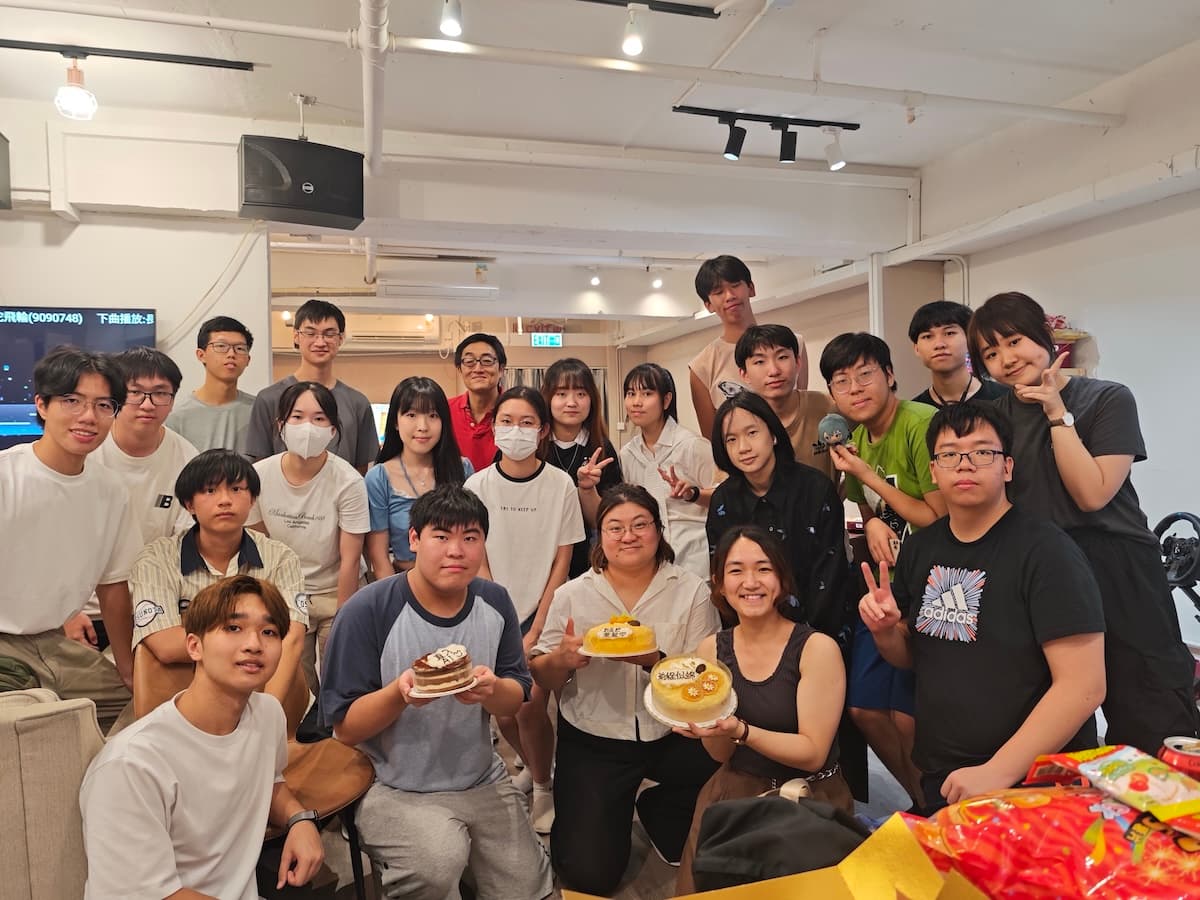
He has taken part in almost every type of SEED Fellows activity: serving as a student teaching assistant, sharing as an alumnus mentor, attending social gatherings and joining video production workshops. What keeps him so engaged?
It started with curiosity: his first step into cloud computing
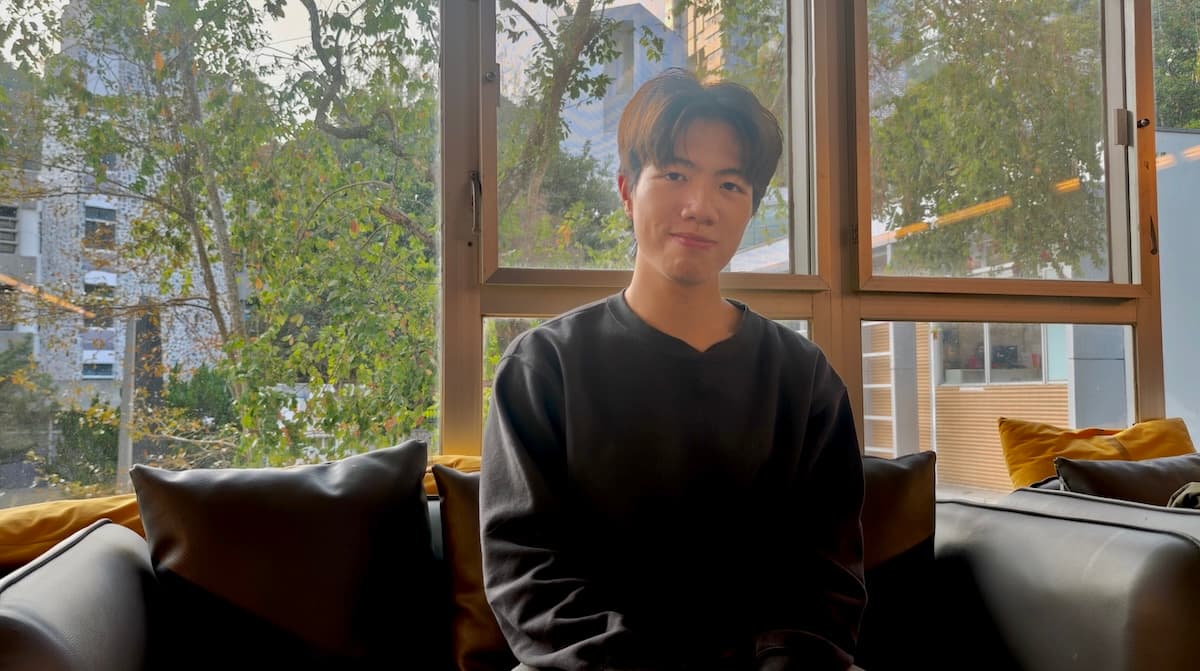
Percy is currently a second-year student in the Information Engineering program at The Chinese University of Hong Kong. He describes his major as “half software, half hardware,” which covers a wide range and also means there isn’t only one fixed path. Looking back at how he chose his major, he admits he wasn’t fully certain at the beginning. Instead, he chose a field that allowed room for exploration, letting his interests lead the way. Before rushing to define a direction, he focused on building experience and possibilities.
This willingness to try was not just something he said, it was a way he lived day to day. In secondary school, he played ice hockey and competed at the Hong Kong youth level. He also learned the violin, photography and photo editing; and he tried sports like basketball, football, and swimming. For Percy, because he never resisted learning something new, he chose to explore SEED Foundation’s cloud computing course in senior secondary school. That choice opened up another direction for him: starting from interest, and turning “trying it out” into sustainable learning.
“I think I’m just like that—I wouldn’t reject any opportunity to learn something new.”
From student to teaching assistant
When Percy looks back on his secondary school classes, what he remembers most isn’t a specific concept but a very “in-the-moment” and common experience: getting stuck during a lab, knowing he needed to ask a question, yet being unable to say it out loud.
He explains that when there is only one instructor in the room, many students’ questions get worn down while they wait, and it’s difficult for the instructor to respond to everyone immediately. That sense of helplessness stayed with him, and it pushed him to fill the gap that is easiest to overlook in a classroom.
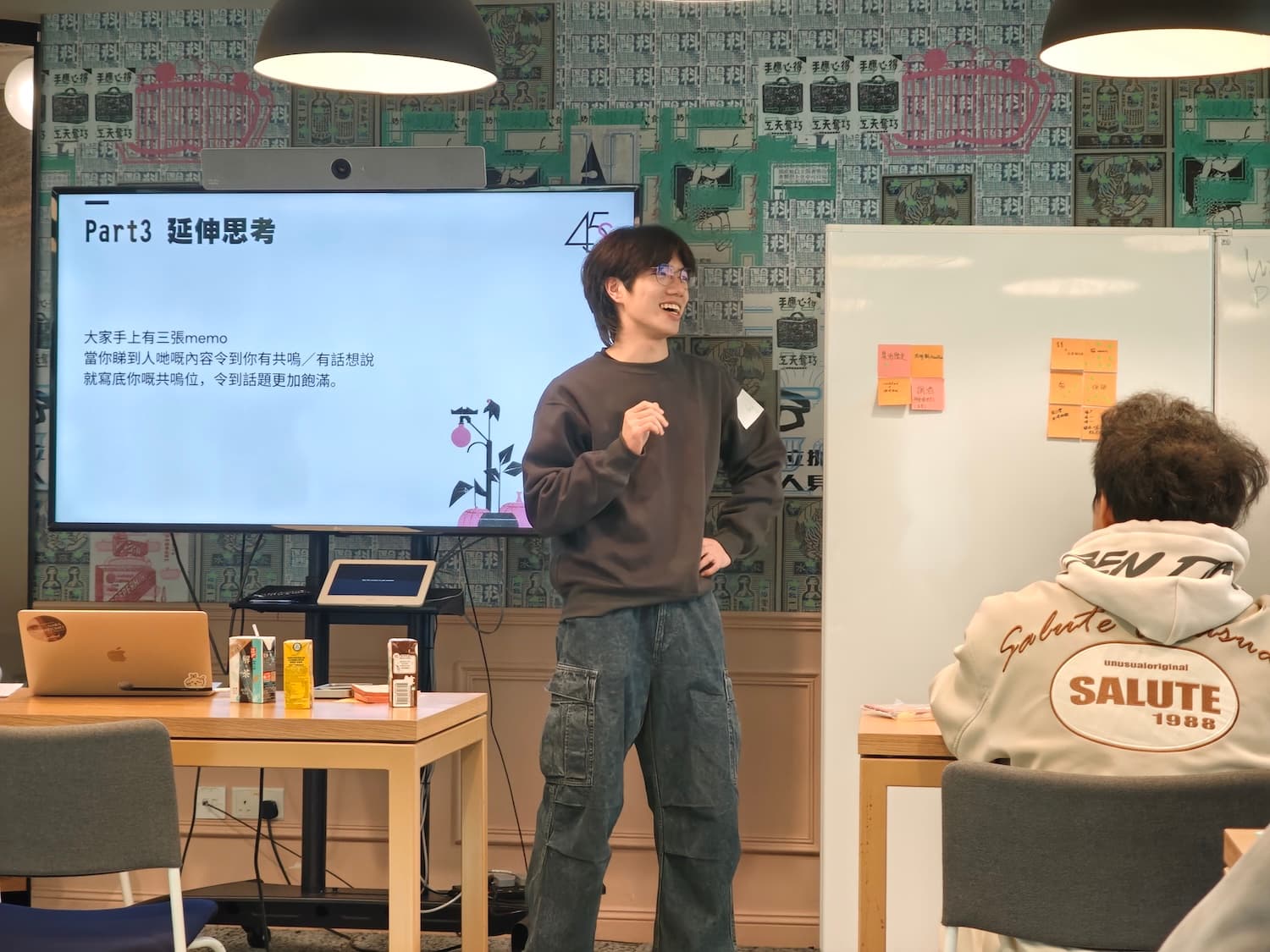
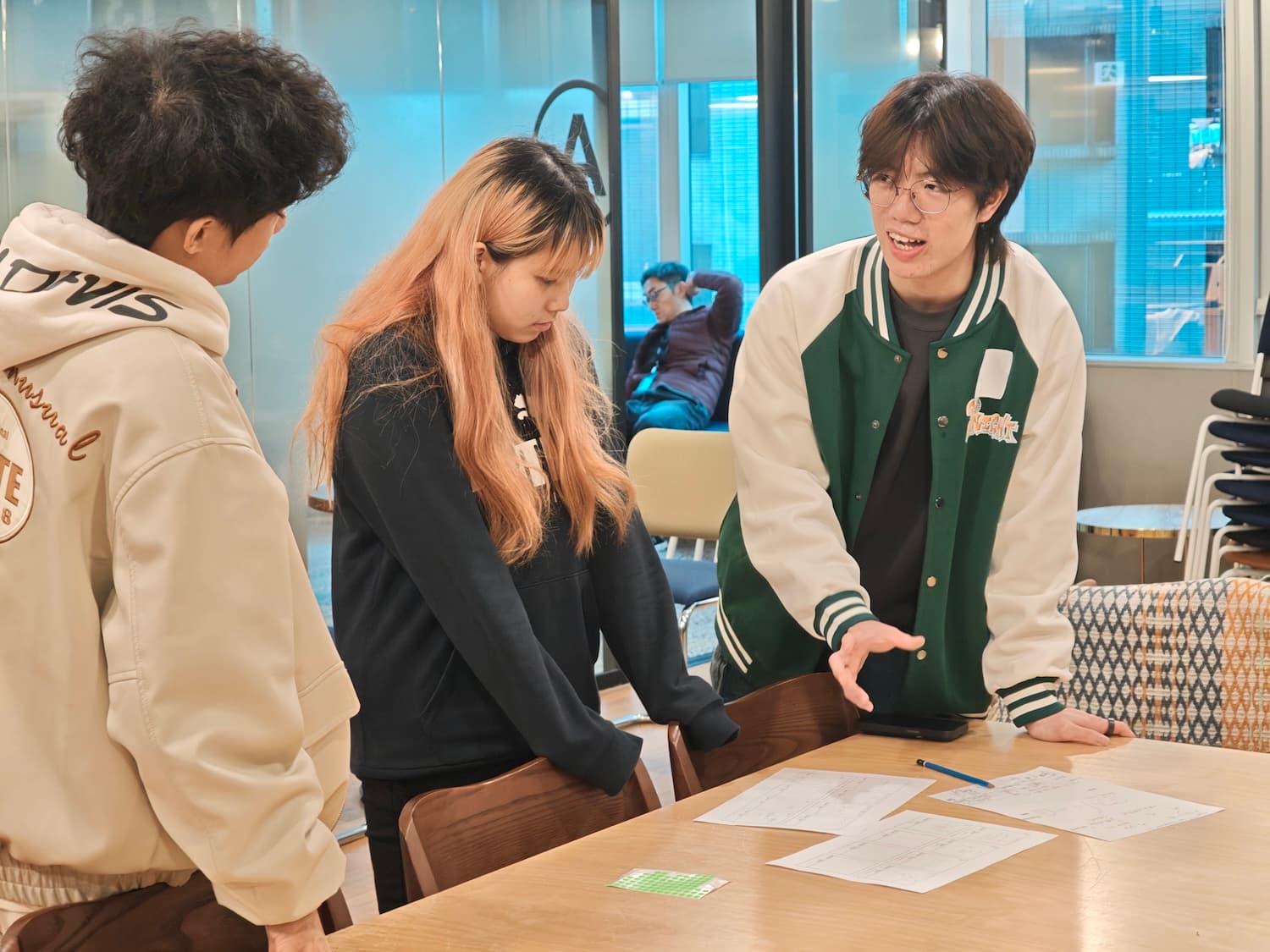
Years later, Percy returned to the same familiar classroom but in a different role—standing beside students as a teaching assistant. He says his goal was very practical: when students have questions, he can get to them faster, so those “I want to ask but don’t dare to” doubts don’t have to linger.
“If they have any questions, or if there’s something they can’t do, I’ll help them right away and teach them how to do it.”
To Percy, being a teaching assistant is not only about providing answers; it is a form of learning support. Before students can clearly articulate their questions, he helps them break the confusion down into smaller pieces. When they are still unsure whether it is “okay to ask,” he offers support in a way that feels low-pressure.
What he gained beyond being a teaching assistant
In Percy’s SEED journey, he gained not only skills, but also a trust-based relationship with a mentor.
Percy met Sam, a SEED cloud computing instructor, while serving as a student teaching assistant. Sam is a working professional. Percy describes their dynamic as “more like friends than teacher and student.”
To Percy, a mentor is not necessarily someone who only “lectures” on stage; a mentor can also be a companion who shares perspectives and thinks things through alongside you.
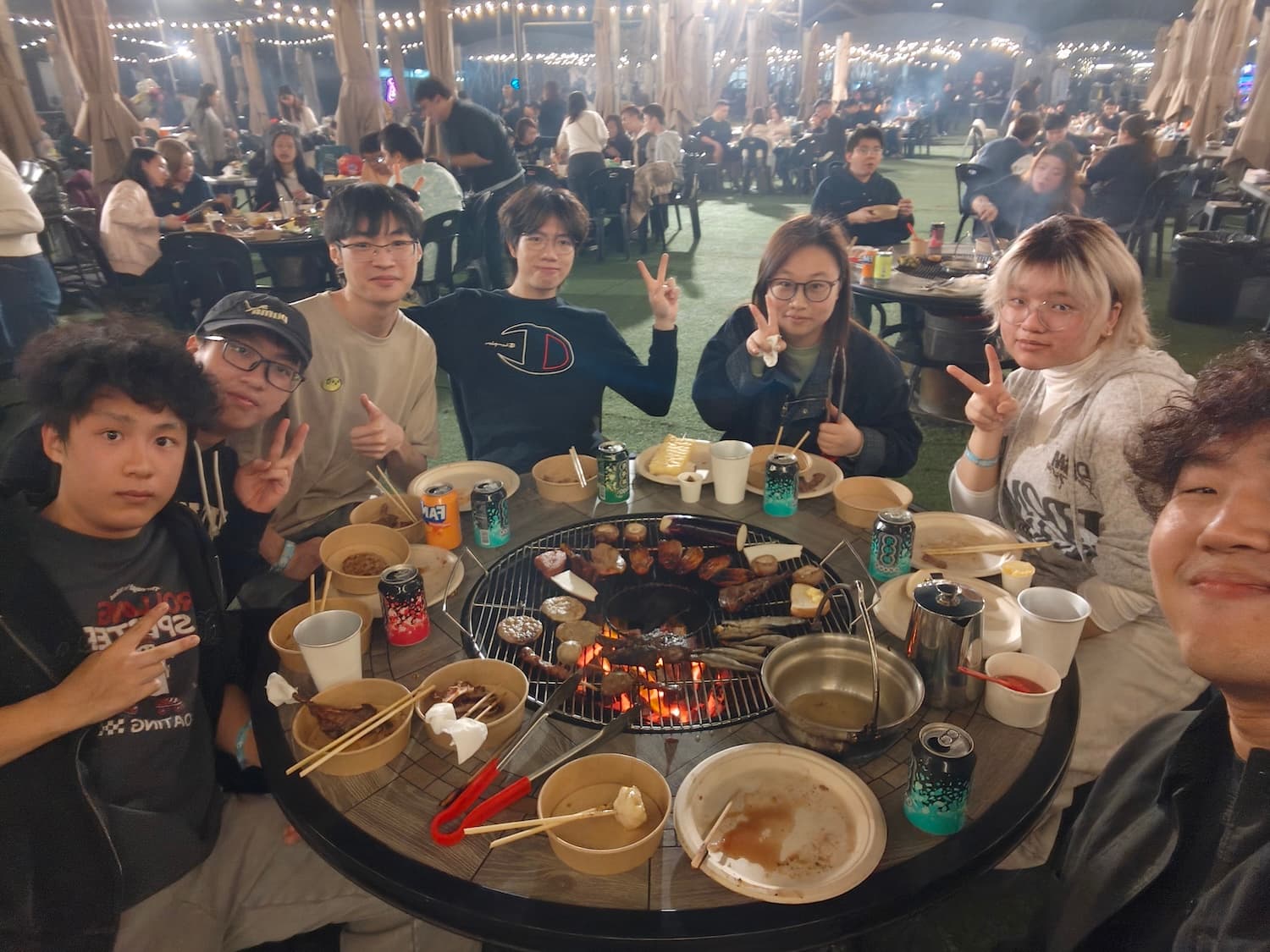
Their relationship extended beyond in-class responsibilities into everyday connections—grabbing meals before and after class and chatting casually. Percy said:
“If I have any academic questions, I can ask him. For example, if there’s something I don’t quite understand, I can ask what approach I should use, or what methods I could use to learn it.”
This low-pressure space for conversation is a very practical form of support for Percy, giving him someone to discuss things with while exploring his direction.
This kind of connection is exactly the kind of long-term extension SEED Fellows hopes to see.
Reassurance from someone who’s been there
In addition to returning to the classroom as a teaching assistant, Percy has also shared in a business etiquette workshop under the Work Experience Program (WXP), talking with juniors about his own workplace experience. For many students, the workplace still feels like an unexplored map.
The message he most wanted to share, as someone who has been through it, is that there is no need to be overly nervous when stepping into the workplace.
“When you join WXP, you should try to gain as much experience as possible. But after you finish, it doesn’t mean you’re locked into that path. You could become a teacher later or go into a different industry as well.”
Percy says that every time he sees the uncertainty in juniors’ eyes, it feels like looking at his past self. So he hopes they take away not a “guaranteed successful” path but a sense of reassurance.
This sharing is also a form of giving back—speaking openly about his own worries and struggles, so the next learner knows, “I’m not the only one who feels this way.”
What makes Percy so committed to SEED Fellows
As an active member of SEED Fellows, Percy rates his level of engagement in the alumni community as “8 out of 10.” He sums up the community in three words: connection, opportunities, and warmth.
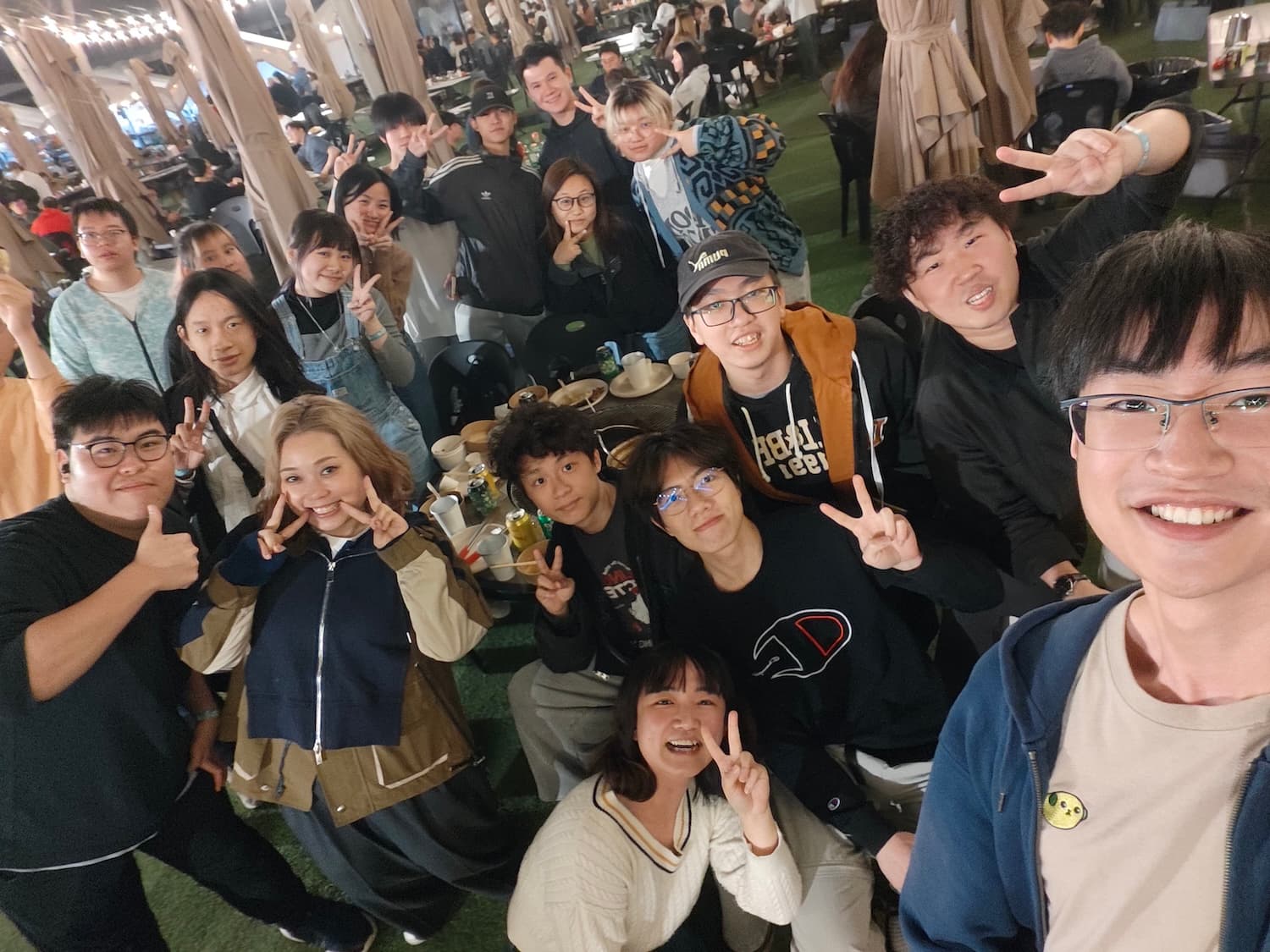
Connection: It allows him to meet companions he can learn from and consult with, and to learn shared interests together with like-minded peers.
Opportunities: It lets him try new roles—moving from participant to teaching assistant and then to sharing as a speaker. Through different workshops, the community also helps him expand his skill set.
Warmth: This is his most immediate impression. He feels everyone in SEED Fellows is friendly—“no one minds where you come from and everyone is willing to connect with you.”
Giving back sparked a future path in education
Percy says that taking on teaching assistant and sharing roles also planted a seed of education in his mind.
As he said:
“I feel SEED Fellows has given me a new pathway. It made me start thinking that, if I have the chance, I might pursue an education qualification and then try becoming an ICT teacher. I think that’s also an alternative pathway for myself.”
He says SEED helped him grow in two ways: he built solid cloud computing skills, and he also improved soft skills like communication and teamwork. Over time, he went from being a student to becoming a teaching assistant who proactively helps others—each step making his direction clearer and his confidence stronger.
For juniors who are about to graduate from SEED and are still exploring their direction, Percy encourages them to join SEED Fellows:
“I think SEED Fellows is a really good opportunity and platform. It lets you keep trying different things after graduation, and keep learning and exchanging ideas with different people.”
The impact SEED Fellows hopes to build: extending learning, enabling giving back
Percy’s story shows what SEED Fellows is about: learning doesn’t end after a course. It continues through the community. When alumni build friendships and confidence here, they’re more willing to step up for new opportunities. And as they grow, coming back to share and support others becomes natural—not “extra help,” but part of the culture.
We believe this cycle can last—more people like Percy will join, grow, contribute and come back to support others.