
Metro Radio Interview Recap | How Dataverse is Nurturing the Next Generation of Digital Guardians
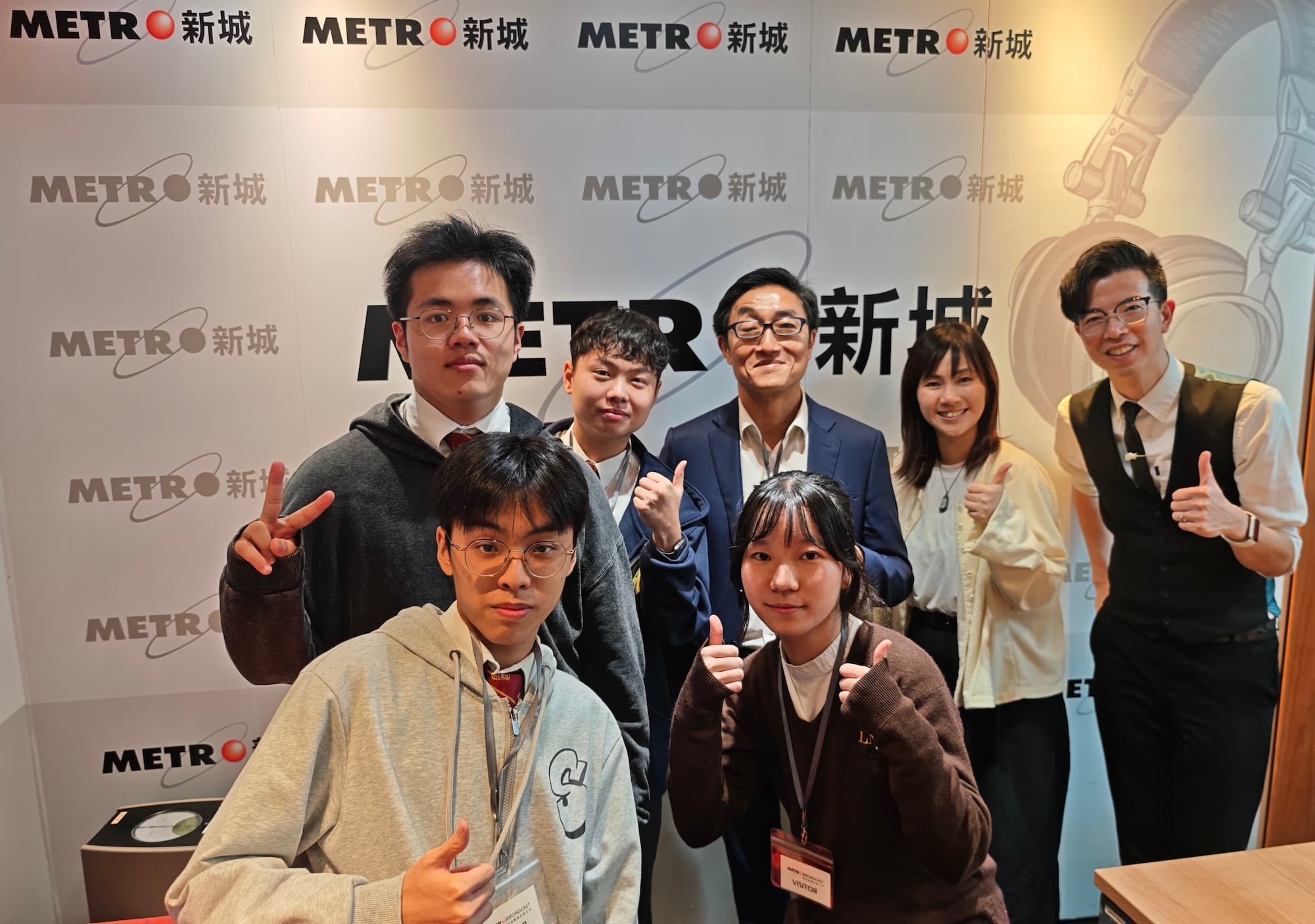

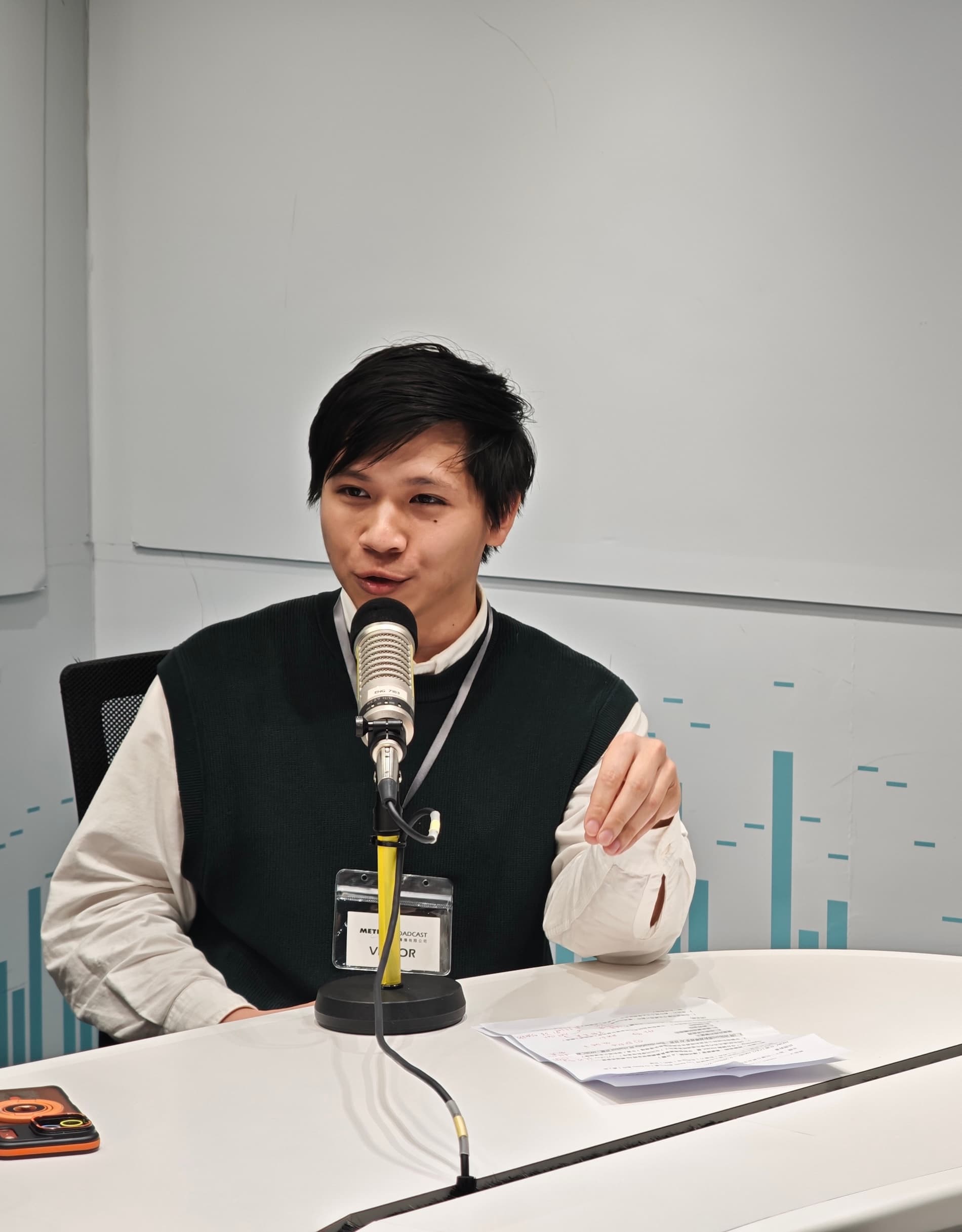




Earlier, SEED Foundation and Hong Kong Internet Registration Corporation Limited (HKIRC) were invited to appear on Metro Broadcast Radio's 《午升級學堂》 for a two-part interview about their jointly organised cybersecurity self-learning platform and IG Reels competition, Guardians of the Dataverse. Below is a full recap of both episodes.
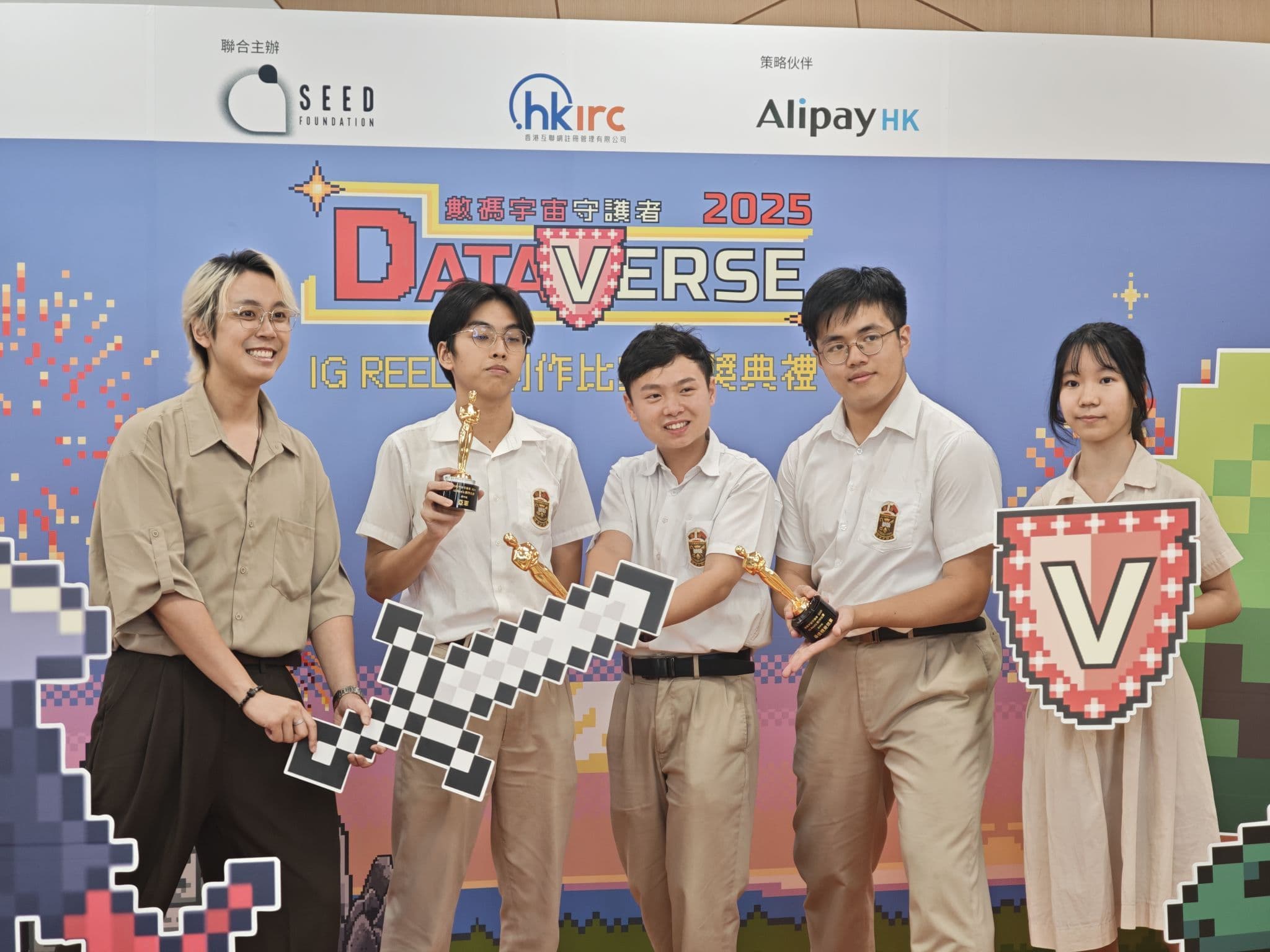
Episode 1 featured HKIRC CEO Ir. Wilson Wong and Mr. Leung from Ko Lui Secondary School, a winning school in the 2025 edition of the programme. Together, they shared perspectives from both an organisational and school level on building a safer online environment for the next generation. Episode 2 featured SEED Foundation CEO Ken Lo (Ken) as the main guest, joined by four students from SKH Lui Ming Choi Secondary School: Wendy, Joe, Bean, and Kin Hei. Fresh off claiming first and second place in the senior secondary category in the 2025 edition, they sharedeg the profound changes they experienced after completing the program.
【Episode 1】From Institution to Classroom: Building a Safer Internet for the Next Generation
The Most Dangerous Blind Spot - "I don't have a credit card, so I won't get scammed."
Many secondary school students believe cyber threats have nothing to do with them. Wilson addressed this misconception head-on in the interview: "A lot of secondary students hold a deeply ingrained misconception: 'I don't have a credit card, I don't have any important data, so nobody would want to scam me.' But that thinking is exactly the most dangerous blind spot."
He explained that cyber threats have never only targeted the wealthy. A hijacked account can become a gateway for hackers to reach everyone in your contact list. A stolen verification code can turn you, without your knowledge, into someone who send inappropriate requests for money or private photos to your classmates.
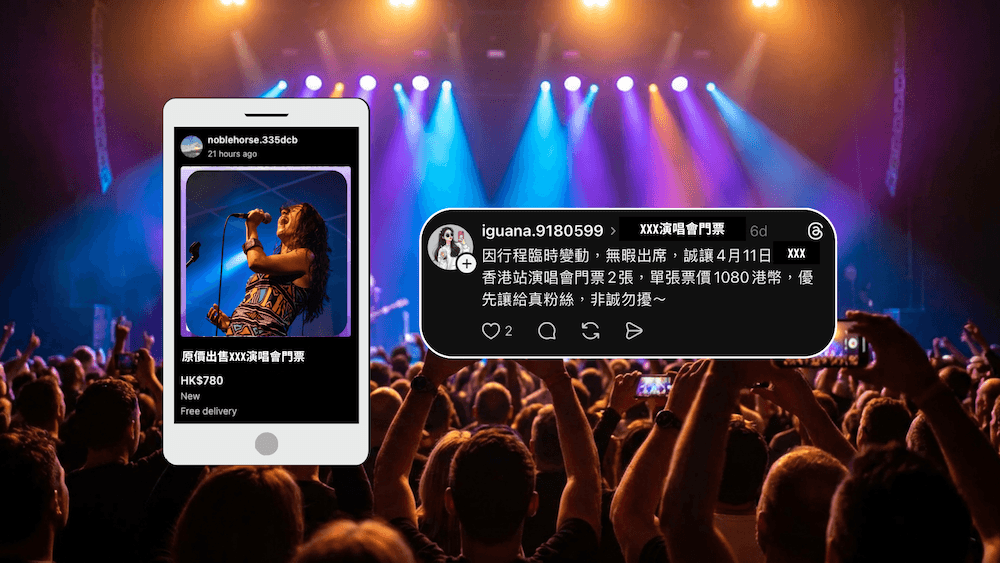
Wilson also highlighted the three most common types of online scams targeting young people: phishing websites, SMS links impersonating official organisations and job scams that lure victims with promises of high pay. These scams are becoming increasingly sophisticated. Fake SMS messages can spoof sender names to impersonate banks, government departments, or well-known companies, making them nearly impossible for victims to distinguish from the real thing.
A Real Scam Case from School
Mr. Leung shared a sobering real-life case from his school. A student accidentally shared their verification code with a stranger, leading to their account being hacked. The hacker then impersonated the student and made inappropriate requests to female classmates. The incident ultimately required the account to be frozen and a police report to be filed, and the innocent student was, for a time, perceived by their peers as the perpetrator.
"Cybersecurity isn't just about protecting yourself. It's also about protecting the people around you," said Mr. Leung. "When your data is leaked, it's not just your problem. The information of every single contact in your phone could be exposed at the same time."
It is precisely to shift this passive "it's not my problem" mentality that SEED Foundation and HKIRC jointly launched Guardians of the Dataverse, a cybersecurity self-learning platform and competition designed to equip the next generation with the knowledge to stay safe in the digital world.
AI and a New Wave of Threats: A Deepfake for Just a Few Dollars
Wilson highlighted in the interview that AI technology is pushing online fraud into a dangerous new era.
"AI is so cheap now that you can create a video of someone speaking in their own voice and with their own face for just a few dollars." Scammers can scrape photos from your social media, map out your personal relationships, and use AI-generated video to impersonate you, asking friends and family for help in ways that are nearly impossible to tell apart from reality.
He also acknowledged that as technology continues to advance, current detection methods will eventually become obsolete and new countermeasures will need to be developed. "That's why this is an ongoing process. As technology evolves, so must scam tactics and so must our awareness to counter them."
Prevention Can Start with One Simple Habit
When discussing how parents and students can protect themselves, Wilson summarised four key reminders: don't be greedy, don't be overly curious, don't panic in response to threatening messages and don't act in a rush. Above all, the simplest and most effective advice is: "Stop, think, and don't act immediately."
On identifying fake websites, he reminded everyone to check whether a URL begins with HTTP or HTTPS, with only the latter offering encryption and serving as a basic marker of a legitimate site. Phishing sites also commonly use near-identical domain names (such as replacing the letter "o" with the number "0") to confuse visitors. When in doubt, people can call the police anti-scam hotline rather than trying to judge the situation alone.
Mr. Leung added a small but frequently overlooked daily habit: always log out after using a shared computer at school or anywhere. "Many students just walk away after using a school computer without logging out, giving the next user potential access to their personal data, emails and even school systems." This simple step is, in fact, the first line of defense for protecting personal privacy.
He also shared that the trust between teachers and students can play an unexpected role. Because students trust their teachers, they are willing to speak up when something seems off and early intervention has already helped many students avoid falling into traps.
Why Should Student Learn About Cybersecurity Early?
At the close of the interview, the host asked why students should start learning about cybersecurity at secondary school level. Wilson's answer was simple and direct: "Because scammers are already targeting them." He noted that if cybersecurity education only begins at university, it is already too late. In an age of information overload and always-on connectivity, equipping young people before they become victims is the fundamental reason why SEED Foundation and HKIRC launched Dataverse.
【Episode 2】From User to Guardian: Real Transformations in Students
Digital Citizenship: The Starting Point of Dataverse
In Episode 2, Ken introduced the concept of "digital citizenship" as the entry point, describing what a savvy internet user should look like: not just knowing how to verify information, protect privacy and use the internet responsibly, but also actively spreading that awareness to others.
"Scam tactics change every day. Truly effective anti-scam education isn't about teaching students to memorise more types of scam cases. It's about helping them build a habit of continuous thinking and active verification."
He also explained the reasoning behind choosing short video creation as the competition format: "Videos made by adults can feel boring to young generation. They don't match the style of content youngster actually watch. But when peers create content from their own experience and perspective, the impact is far greater."
Dataverse encourages students to start from research, then conceptualise their own story, write the script, film and edit, translating cybersecurity knowledge into content that their peers actually want to watch, often in a light-hearted or even humorous way.
Champion Team's Shares about their Learning
The 2025 champion and runner-up teams chose two topics: AI-generated romance scams and the tracking mechanisms behind “Cookies”.
Wendy, who studies science and commerce and had almost no prior exposure to cybersecurity, built her understanding of cookies tracking from scratch through the program: "Before, whenever a cookies consent pop-up appeared, I'd just accept everything without thinking. After this project, every time one pops up, I stop and ask myself whether this website is actually trustworthy."
Kin Hei, who usually works behind the camera on editing, had to appear on screen for the first time, playing the role of a victim and discovered that performance is a craft of its own: "You have to think from the audience's perspective. How do you make the performance vivid enough that people actually take something away after watching your video?"
A Family's Firsthand Experience: How Scammers Set the Trap Step by Step
One of the most memorable moments in the interview was when Bean shared his father's experience with a water leakage scam. A scammer impersonated a neighbour on WhatsApp, claiming there was a leak from the flat above, and gradually wore down the victim's guard before requesting money for repairs, step by step.
It was precisely because Bean had learned the concept of "zero trust" through Dataverse that he was able to flag his concerns when his father consulted the family and the trap was successfully identified in time.
The story drew a nod from Ken: "This example perfectly illustrates that the impact of anti-scam education doesn't stop at the classroom door. It flows naturally into every family."
Joe's Words Capture the Meaning of the Entire Programme
When asked about the biggest change Dataverse had brought about in Joe, he said something that left a lasting impression on everyone:
"Going from a user to a guardian is a shift in mindset. Before, as a secondary school student watching videos, doing homework and playing games, I was a user. Becoming a guardian means I know how to protect myself, identify fake information and avoid online scams. That shift from passively receiving to actively judging is a really critical change in how you think when you're in the digital world."
Ken agreed, adding that the program's real goal is not just to teach students how to avoid scams but to help them become more thoughtful and responsible internet users who can pass that awareness on to the people around them.
Conclusion
Across two episodes, we gained a fuller picture of what Dataverse truly represents, seen through the eyes of an organisation, a school and the students themselves. It is a learning experience centred on awakening awareness, guiding young generation to grow from passive users who feel that "cyber threats have nothing to do with me" into conscious, capable and responsible guardians of the digital world, extending that protection into every family around them.
Interested in learning more about Dataverse or want your school to take part in the next competition? Feel free to contact us or continue following our latest updates.